



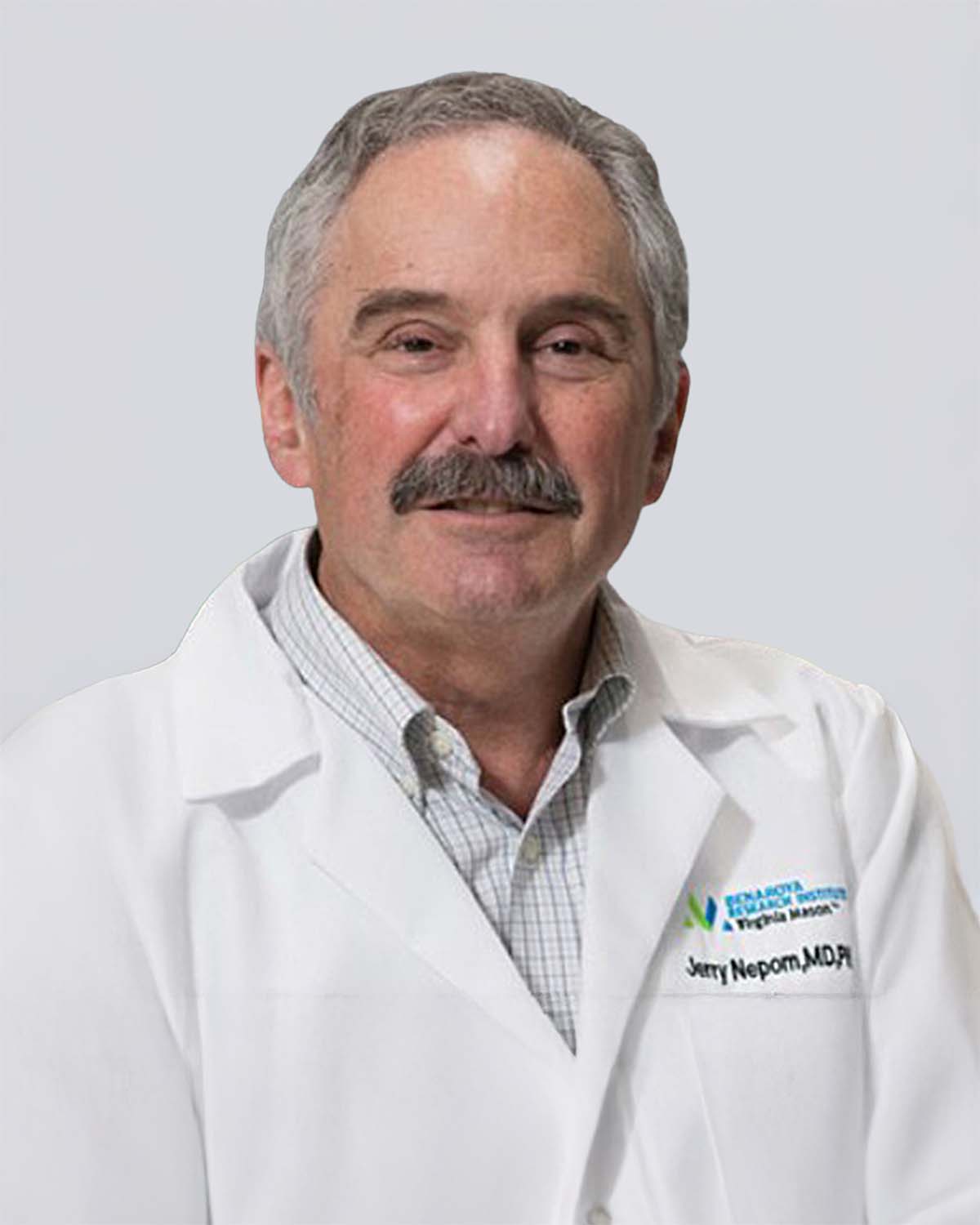
Jerry Nepom is a Senior Advisor on the Frazier Life Sciences team and has over 40 years of biomedical experience in clinical and translational immunology.
Before joining Frazier Life Sciences, Jerry served as the Founder and Director of the Benaroya Research Institute (1985-2015) and Director of the Immune Tolerance Network (2010-2023). He is currently on the Affiliate Faculty of the University of Washington School of Medicine and an emeritus faculty Member of BRI.
Jerry’s research accomplishments span four decades of translational immunology, including description of HLA class II gene organization and disease associations in the 1980s, molecular topography of class II MHC-peptide binding and recognition by T cells in the 1990s, development of tetramer tools for detection and interrogation of human antigen-specific CD4 T cells in the 2000s, and design, conduct, and analysis of clinical trials using novel immunomodulatory agents, particularly in type 1 diabetes and other autoimmune diseases. At BRI he led multidisciplinary programs focused on understanding molecular and cellular characteristics of autoimmunity, and at the ITN he led teams that developed and conducted numerous proof-of-concept and mechanism-based clinical trials in allergy, autoimmunity, and transplantation. Jerry is the recipient of the University of Washington School of Medicine Distinguished Alumni Award and the David Rumbough Award for Scientific Excellence from the Juvenile Diabetes Research Foundation.
Jerry also has served as an advisor for many academic and nonprofit organizations involved in biomedical research, and is past president of FOCIS, the Federation of Clinical Immunology Societies. He chaired the expert panel for the NIH Autoimmune Diseases Coordinating Committee that developed the first strategic NIH plan for autoimmune diseases in 2002, JDRF Medical Science Review from 2007-2009, and the Lupus Research Institute scientific advisory board in 2016-2017, among a large number of similar leadership roles.
Jerry’s early career included research training at Harvard (AB magna cum laude, Biochemistry), University of Washington School of Medicine (PhD, biochemistry, cancer immunology; MD), post-doctoral research in immunogenetics (Harvard Medical School), faculty positions at Harvard Medical School and the Fred Hutchinson Cancer Center, and a stint as a senior scientist at Genetic Systems Corporation, prior to establishing the immunology research programs at Virginia Mason Research Center (now the Benaroya Research Institute; BRI) in 1985.
Seattle
Harvard University (A.B.)
University of Washington School of Medicine (M.D.)
University of Washington School of Medicine (Ph.D.)
2025
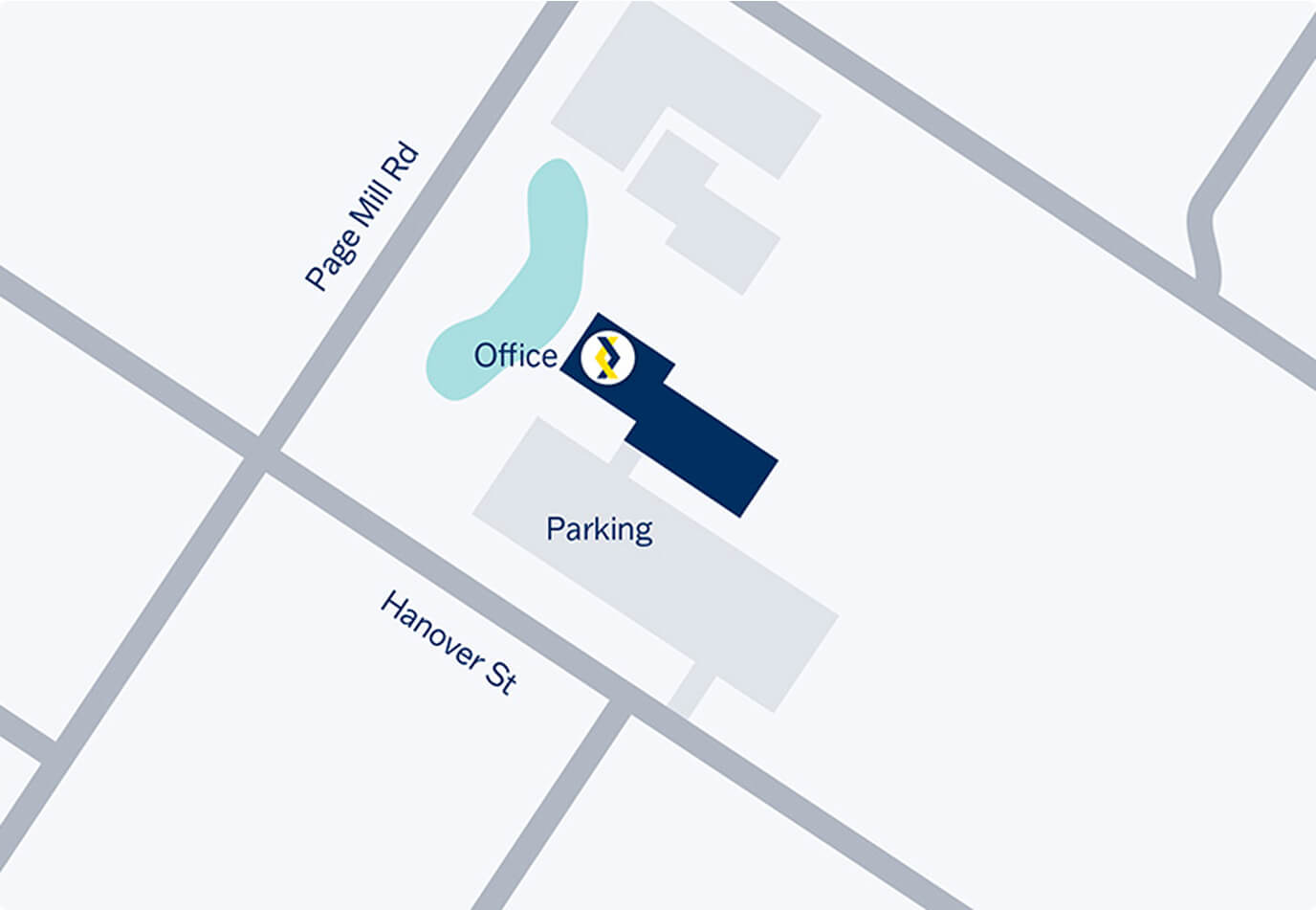
1001 Page Mill Road
Building 4, Suite 200B
Palo Alto, CA 94304
650-325-5156
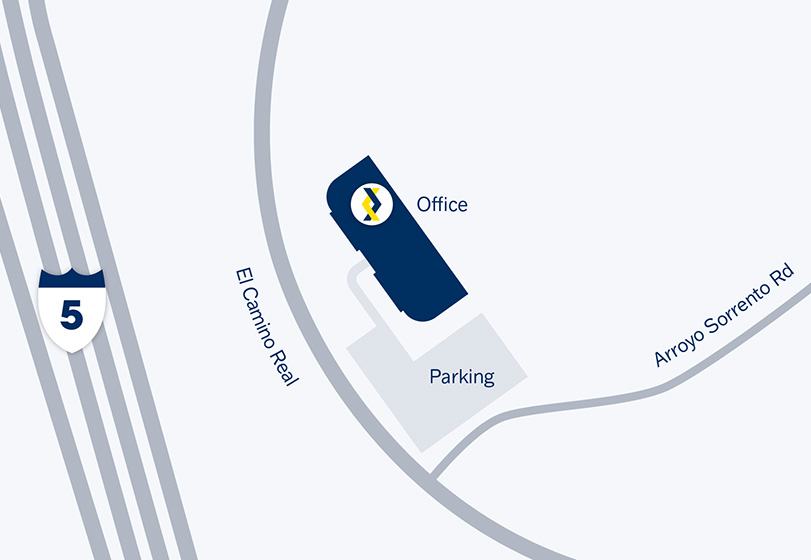
11455 El Camino Real, Suite 460
San Diego, CA 92130
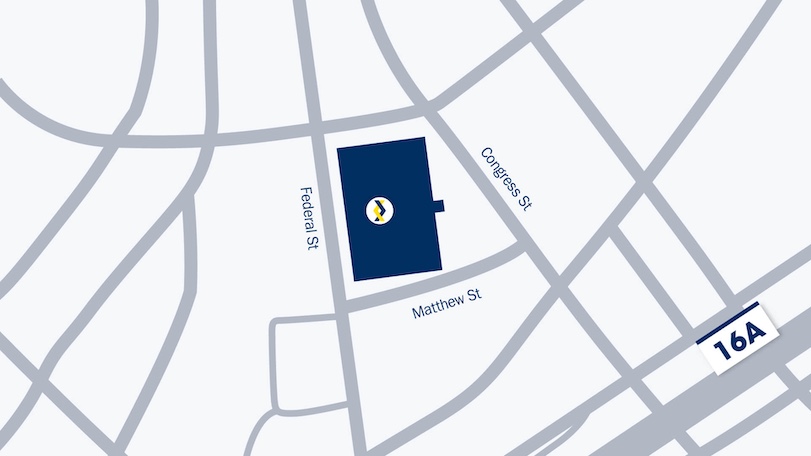
100 Federal Street, 19th Floor
Boston, MA 02110
1700 Seventh Ave, Suite 1120
Seattle, WA 98101